Introduction
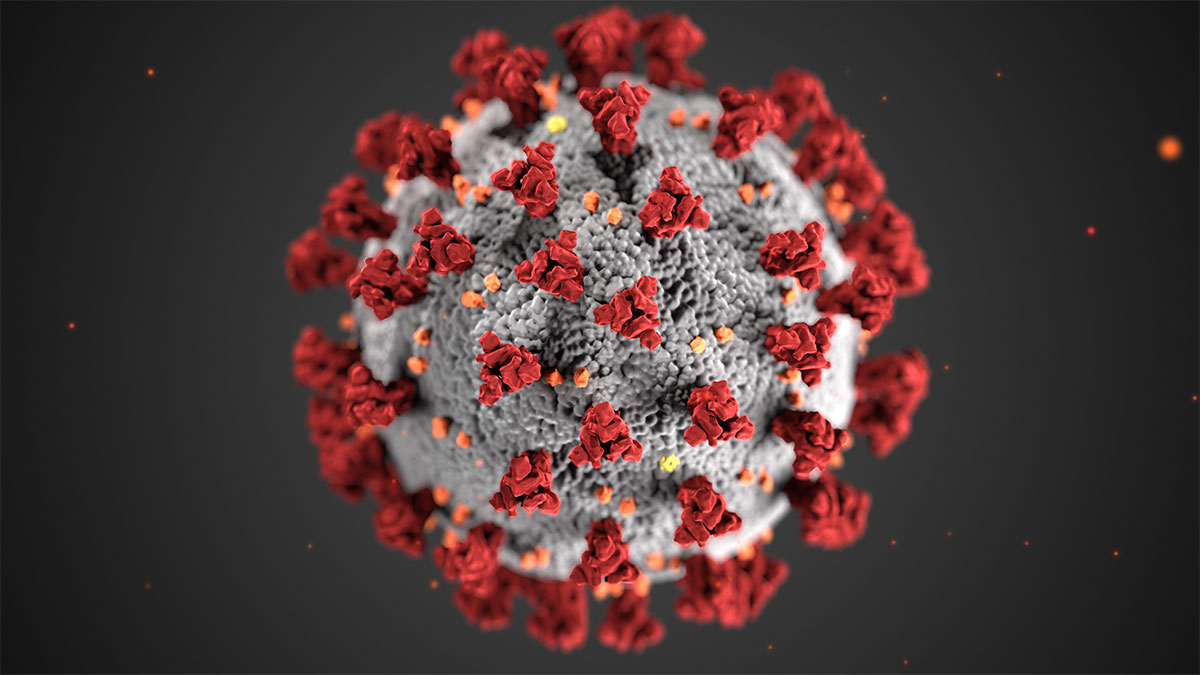
COVID-19, caused by the novel coronavirus SARS-CoV-2, emerged in late 2019, swiftly evolving into a global pandemic. Characterized by respiratory symptoms, it spreads primarily through respiratory droplets. The virus has led to widespread illness, overwhelmed healthcare systems, and prompted unprecedented public health measures. Vaccination campaigns and ongoing research are pivotal in the global effort to mitigate its impact and enhance preparedness for future pandemics.
Covid-19 in USA
Click read more to find its effect.

Pathophysiology
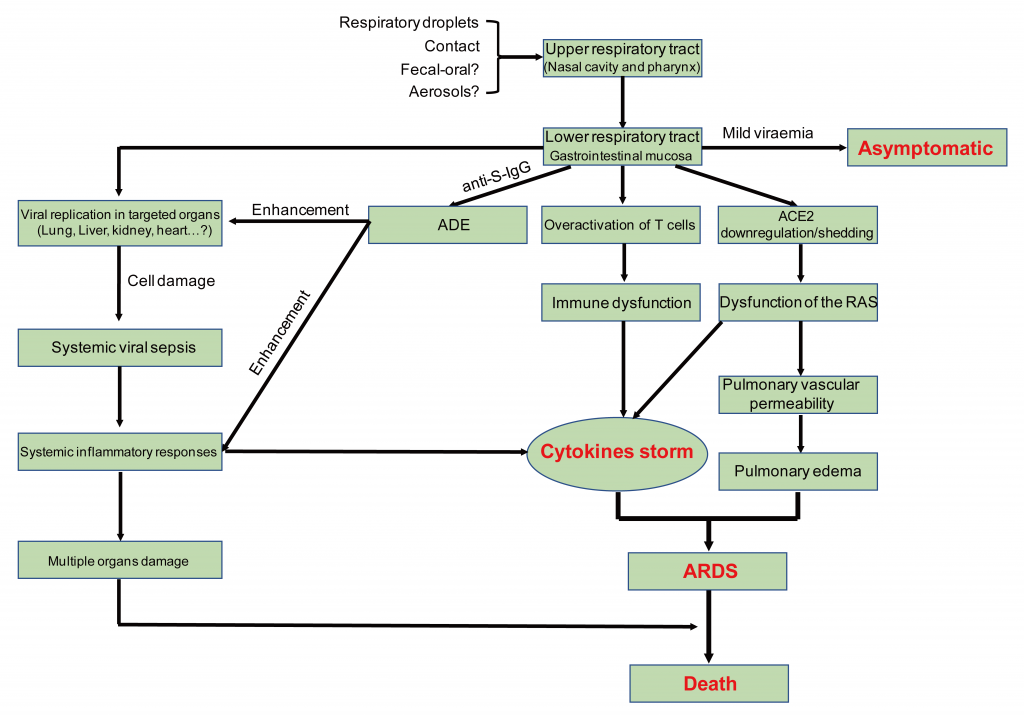
COVID-19, caused by the SARS-CoV-2 virus, enters the body through respiratory droplets, targeting cells with ACE2 receptors and initiating replication. The immune response, comprising innate and adaptive components, can lead to inflammation, with severe cases progressing to acute respiratory distress syndrome (ARDS). Beyond respiratory symptoms, COVID-19 can affect various organs, causing complications in the cardiovascular, renal, hepatic, and coagulation systems. In severe cases, an overactive immune response may result in a cytokine storm, marked by an excessive release of pro-inflammatory cytokines, contributing to lung damage and increased disease severity.
What Covid-19 do in our body?
To find out click read more and video.
Precautions
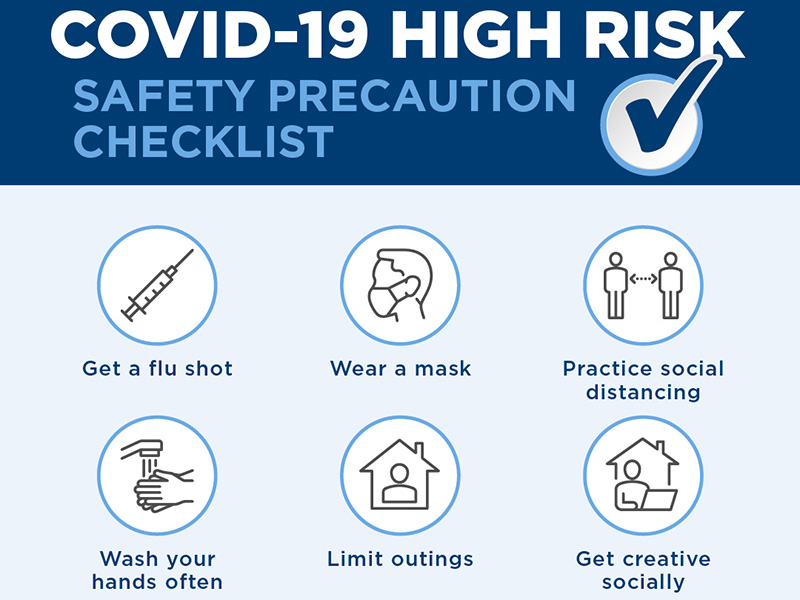
Protecting yourself during the flu season and the ongoing COVID-19 pandemic involves crucial everyday precautions. While the flu vaccine won’t safeguard against COVID-19, it significantly reduces flu risks, freeing up healthcare resources for COVID-19 patients. Regular handwashing, using hand sanitizer, and avoiding touching high-touch surfaces help prevent virus transmission. Maintain at least six feet of distance from non-household members, wear masks in public spaces, and cover your nose and mouth. If someone in your home is sick, test for COVID-19 and isolate if positive. Additionally, clean and disinfect frequently-touched surfaces. Always follow CDC guidelines, and never consume or misuse disinfectants. These measures collectively contribute to personal and public health safety.
What are the precautions to be followed?
Click on below to read more about precautions.
Clinical manifestations
Do you know clinical features of covid-19 disease?
Click on Read More and find out the clinical features.
Vaccination and its importance
COVID-19 vaccines authorized by regulatory agencies, such as the FDA, are effective in preventing severe illness, hospitalization, and death. Vaccination contributes to community immunity, slowing virus spread and protecting vulnerable populations. By reducing severe cases, vaccines ease the strain on healthcare systems and help manage emerging variants. Widespread vaccination is key to returning to normalcy, reopening businesses, schools, and social activities, and ultimately controlling the COVID-19 pandemic.
Covid-19 vaccination and its role in controlling spread.
Click below to find the importance of vaccination in controlling the spread.
Treatment
Treatment varies with severity of the condition.
- Antiviral Medications:
- Some antiviral drugs, such as Remdesivir, have been authorized for use in treating COVID-19 in certain situations. These drugs aim to inhibit the virus’s ability to replicate.
- Monoclonal Antibodies:
- Monoclonal antibody treatments, like casirivimab/imdevimab and bamlanivimab/etesevimab, have received Emergency Use Authorization (EUA) to reduce the risk of severe disease and hospitalization in certain high-risk individuals.
- Corticosteroids:
- Dexamethasone, a corticosteroid, has been shown to be beneficial in reducing mortality and severity of illness in severe cases, particularly those requiring respiratory support.
- Supportive Care:
- Many COVID-19 patients receive supportive care to manage symptoms. This may include oxygen therapy for those with respiratory issues and other measures to support organ function.
- Vaccination:
- Vaccination plays a crucial role in preventing severe illness and hospitalization. The use of vaccines, such as those developed by Pfizer-BioNTech, Moderna, and Johnson & Johnson, has been widespread in the United States.
Covid-19 data:
Click on the bold headings to find the relevant data.
- Research Articles Downloadable Database
- COVID-19 Science Updates
- Databases and Journals
- Search alerts:
- Secondary Data and Statistics
- Websites
Below are websites to help researchers find research related to COVID-19 (2019 Novel Coronavirus).
Materials listed in these guides are selected to provide awareness of quality public health literature and resources. A material’s inclusion does not necessarily represent the views of the U.S. Department of Health and Human Services (HHS), the Public Health Service (PHS), or the Centers for Disease Control and Prevention (CDC), nor does it imply endorsement of the material’s methods or findings.
- Centers for Disease Control and Prevention (CDC)’s COVID-19 webpage
- Centers for Disease Control and Prevention’s Cases, Data, and Surveillance
- CDC COVID Data tracker
- Research articles downloadable database
- The CDC Database of COVID-19 Research Articles became a collaboration with the WHO to create the WHO COVID-19 database during the pandemic to make it easier for results to be searched, downloaded, and used by researchers worldwide.
- The last version of the CDC COVID-19 database was archived and remain available on this website. Please note that it has stopped updating as of October 9, 2020 and all new articles were integrated into the WHO COVID-19 database. The WHO Covid-19 Research Database was a resource created in response to the Public Health Emergency of International Concern (PHEIC). Its content remains searchable and spans the time period March 2020 to June 2023. Since June 2023, manual updates to the database have been discontinued.
- COVID-19 Science Updates : To help inform CDC’s COVID-19 Response, as well as to help CDC staff stay up to date on the latest COVID-19 research, the Response’s Office of the Chief Medical Officer has collaborated with the CDC Office of Library Science to create a series called COVID-19 Science Update. This series, the first of its kind for a CDC emergency response, provides brief summaries of new COVID-19-related studies on many topics, including epidemiology, clinical treatment and management, laboratory science, and modeling. As of December 18, 2021, CDC has stopped production of the weekly COVID-19 Science Update.
- Public Health Genomics and Precision Health Knowledge Base provides up to date genomics and precision health information on coronavirus disease.
- Open-Access Data and Computational Resources to Address COVID-19
- COVID-19 open-access data and computational resources are being provided by federal agencies, including NIH, public consortia, and private entities and can be found at the above link
- National Institutes of Health’s coronavirus webpage
- LitCovid is a database compiled by the National Library of Medicine from COVID-19 articles in PubMed
- National Institute of Allergy and Infectious Diseases’ coronavirus webpage
- World Health Organization’s COVID-19 webpage
- European Centre for Disease Prevention and Control’s COVID-19 webpage
complications
- Respiratory Complications:
- Pneumonia: Severe cases of COVID-19 can lead to pneumonia, causing inflammation of the lungs.
- Acute Respiratory Distress Syndrome (ARDS): This is a serious lung condition that can occur in severe cases, leading to difficulty in breathing.
- Cardiovascular Complications:
- Myocarditis and Pericarditis: Inflammation of the heart or the lining around the heart has been reported.
- Blood Clots: COVID-19 may increase the risk of blood clotting, potentially leading to conditions like deep vein thrombosis (DVT) or pulmonary embolism.
- Neurological Complications:
- Loss of Smell and Taste: An early and distinctive symptom for some individuals.
- Neurological Symptoms: Some people may experience headaches, dizziness, confusion, or other neurological issues.
- Gastrointestinal Complications:
- Diarrhea and Nausea: Gastrointestinal symptoms have been reported in some cases.
- Renal Complications:
- Acute Kidney Injury: Severe cases of COVID-19 may lead to kidney problems.
- Long COVID or Post-Acute Sequelae of SARS-CoV-2 (PASC):
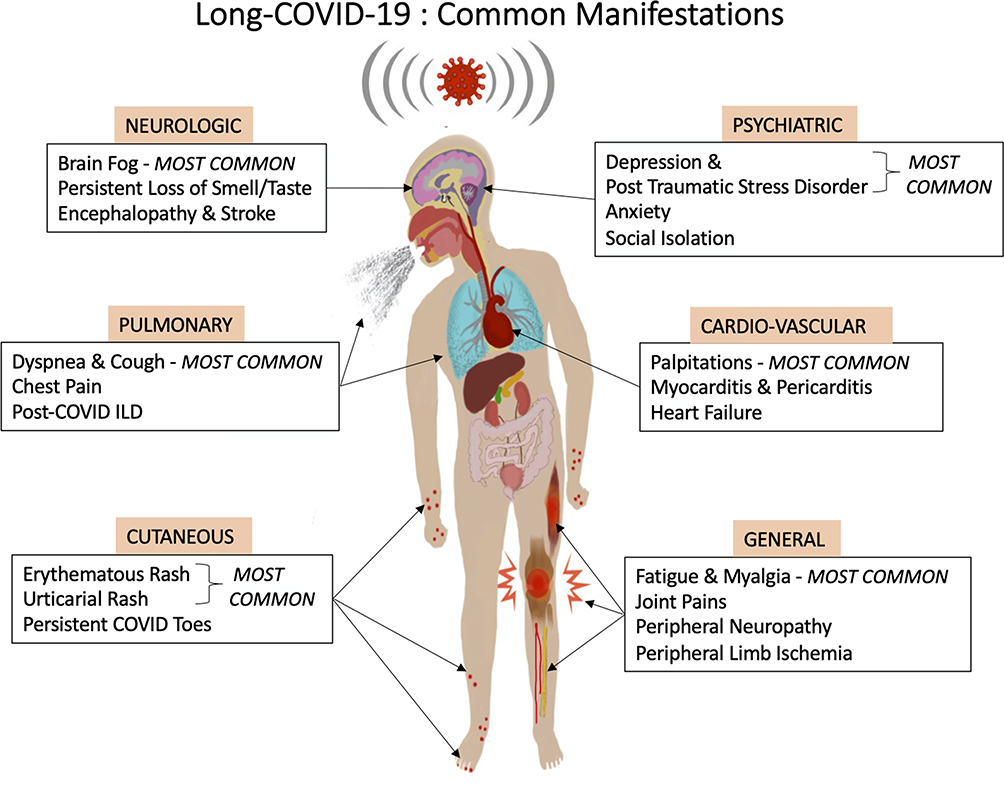
- Some individuals experience persistent symptoms long after the acute infection has resolved. Common long COVID symptoms include fatigue, shortness of breath, chest pain, joint pain, and cognitive issues.
- Immune System Dysregulation:
- In severe cases, there may be an overactive immune response, leading to a cytokine storm, which can cause widespread inflammation.
- Multi-organ Dysfunction:
- COVID-19 can affect multiple organs, leading to a range of complications affecting the heart, kidneys, liver, and other organs.
- Mental Health Effects:
- The pandemic, as well as the direct and indirect effects of the virus, can contribute to mental health issues such as anxiety, depression, and post-traumatic stress disorder (PTSD).
Complications of covid-19 disease.
Click on read more to learn about complications of covid-19 disease.
Summary
CIOT’s website is a one-stop resource for reliable and current information on COVID-19. Covering topics such as virus basics, symptoms, testing, and prevention measures, the site aims to empower users with knowledge. It provides updates on the global and local COVID-19 situation, emphasizes preventive measures like vaccination, and offers resources for mental health and community support. The website is user-friendly, featuring FAQs and external resources for further information, making it a valuable tool for those seeking accurate and up-to-date guidance during the pandemic.
Summary
Click on Vedio, To watch the never ending story of covid-19

“Our website, CIOT (COVID-19 Information for All), aims to provide comprehensive and accessible COVID-19 information. By aggregating reliable resources from trusted sources like CDC, WHO, NIH, and others, we strive to ensure that everyone can easily access accurate information to stay informed about the pandemic. Visit [CIOT Website] for reliable updates and resources.”
Saiteja Bandi
Biomedical and health informatics
Suny Oswego